
For poultry feed distributors and commercial layer farm owners in Southeast Asia, choosing the right layer premix feed for Southeast Asia market directly determines farm productivity, egg commercial value, and annual profit margin. Unlike temperate regions, Southeast Asia’s year-round high temperature, high humidity, and erratic rainy seasons create unique breeding pressures for laying hens. Many local farmers face recurring troubles: unstable laying rates in hot weather, poor eggshell quality, rising feed costs, and frequent flock stress diseases. Selecting a professional tropical layer premix feed customized for SEA tropical climate is the most cost-effective way to solve these core breeding pain points and maximize farm returns.
This practical SEO farming guide explains why ordinary premixes fail in tropical environments, what key nutrients Southeast Asian layer hens need most, and how our customized Southeast Asia layer premix feed helps local farms achieve stable egg production, lower feed waste and higher long-term profits.
This guide explains why ordinary premixes fail in tropical environments, what key nutrients Southeast Asian layer hens need most, and how our customized Southeast Asia layer premix feed helps local farms achieve stable production and higher profits.
Why Ordinary Layer Premixes Fail in Southeast Asia Tropical Climate
Most universal layer premixes sold on the global market are formulated for mild, temperate climates. They lack targeted anti-stress components, high-temperature resistant nutrients, and humidity-adaptive formulas — making them unsuitable for long-term use in Southeast Asia’s tropical regions.
In Indonesia, Vietnam, Thailand, Malaysia, and the Philippines, persistent heat and humidity cause three major feeding problems with generic premixes:
- Nutrient loss fast: Vitamins and active ingredients degrade rapidly under high heat and humidity, leading to insufficient daily nutrition for laying hens
- Severe heat stress reaction: Hens lose appetite, consume less feed, and show a sharp drop in egg production during hot seasons
Only climate-targetedheat-resistant layer premix for Southeast Asia can maintain stable nutritional efficacy and excellent flock performance all year round, solving the drawbacks of generic premixes in hot and humid tropical breeding scenarios.
Successful tropical layer breeding relies on three balanced nutritional cores: anti-stress protection, efficient egg production nutrition, and intestinal health maintenance. Our professional layer premix feed for Southeast Asia market is precisely formulated around these three key dimensions, fully matching local tropical breeding characteristics and laying hen nutritional needs.
Core Nutrient Requirements for Laying Hens in SEA Tropical Areas
Successful tropical layer breeding relies on three balanced nutritional cores: anti-stress protection, efficient egg production nutrition, and intestinal health maintenance. Ourlayer premix feed for Southeast Asia market is precisely formulated around these three dimensions, fully matching local breeding characteristics.
1. Balanced Anti-Stress Vitamin Complex
High-content vitamin C, vitamin E, and natural plant antioxidants are added to resist heat stress, relieve oxidative damage in hens’ bodies, and ensure normal metabolic operation in high-temperature environments. This effectively avoids seasonal production decline and improves flock survival rate.
2. High-Absorption Chelated Minerals
High humidity easily causes feed mildew and intestinal flora imbalance in laying hens. The compound probiotics and intestinal protective factors in our Southeast Asia layer premix feed can effectively repair intestinal mucosa, greatly improve feed digestion and absorption efficiency, reduce FCR, and cut down feed waste — perfectly solving the common problem of low feeding efficiency in tropical humid layer farms.
3. Probiotic Intestinal Regulation Formula
High humidity easily causes feed mildew and intestinal flora imbalance in laying hens. The compound probiotics and intestinal protective factors in our Southeast Asia layer premix feed can repair intestinal mucosa, improve feed digestion and absorption, reduce FCR, and cut down feed waste — perfectly solving the problem of low feeding efficiency in tropical humid environments.
Practical Benefits for Southeast Asian Layer Farms
Stable Laying Rate Throughout Dry & Rainy Seasons
Uniform yolk color, firm eggshells, and clean egg surface greatly improve egg market competitiveness. By using our cost-effective layer premix for tropical farms, the broken egg rate drops significantly, reducing invisible losses in packaging, storage, and cross-city transportation, directly increasing net profit per ton of eggs for Southeast Asian layer farms.
Higher Egg Commercial Grade & Lower Transportation Loss
Uniform yolk color, firm eggshells, and clean egg surface greatly improve egg market competitiveness. By using our cost-effective layer premix for tropical farms, the broken egg rate drops significantly, reducing invisible losses in packaging, storage, and cross-city transportation, directly increasing net profit per ton of eggs.
Simplify Feeding Management & Reduce Comprehensive Costs
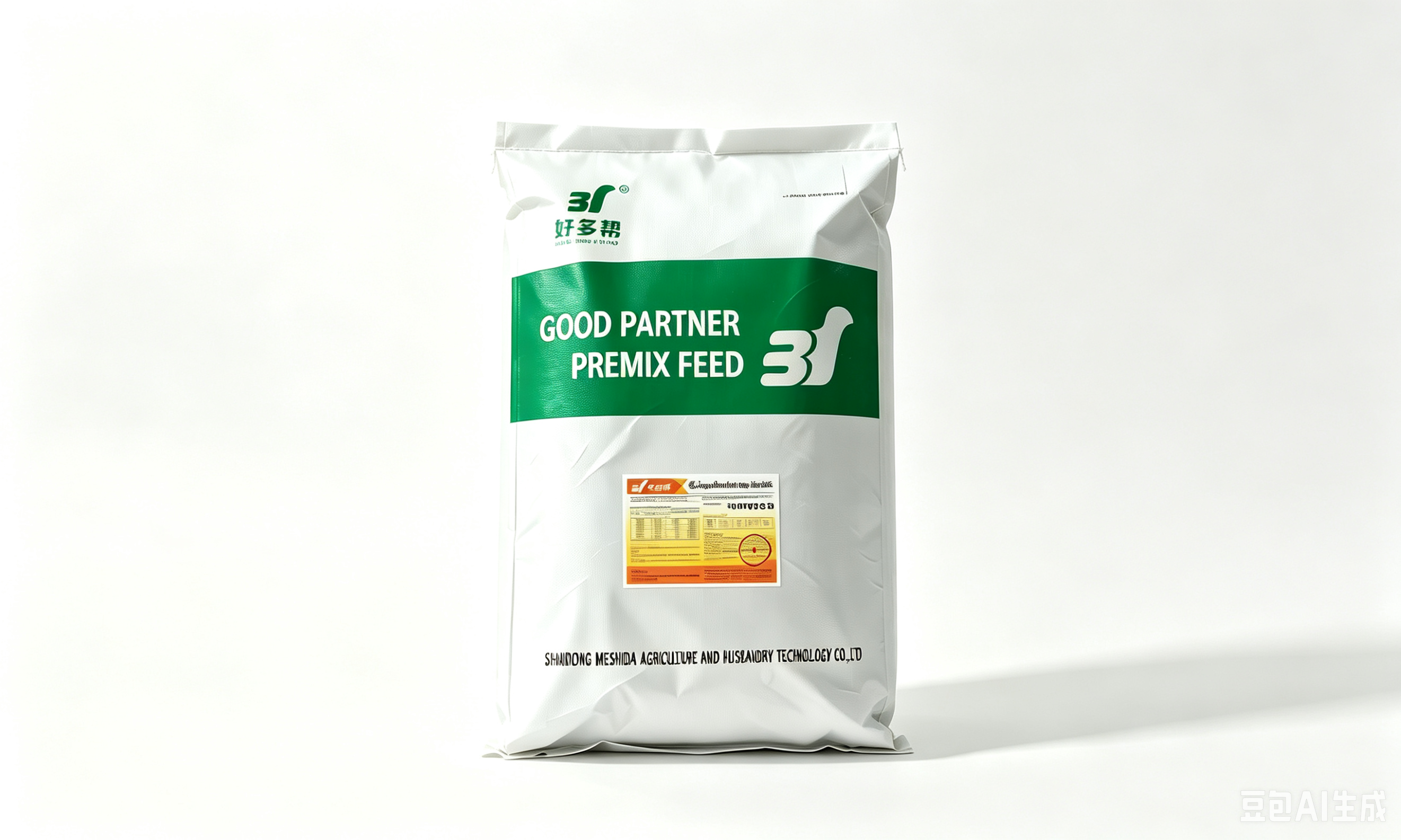
We provide standardized 3%, 4%, 5% layer premix feed for Southeast Asia market, covering the entire laying hen growth cycle: pre-laying development period, peak laying period, and late laying maintenance period. We also support private customized formulas and exclusive packaging according to regional climate differences and customer breeding scales, serving poultry feed distributors, large breeding bases, and feed processing enterprises across all Southeast Asian countries.
Available Formula Specifications for SEA Market
We provide standardized 3%, 4%, 5% layer premix feed for Southeast Asia market, covering the entire growth cycle: pre-laying development period, peak laying period, and late laying maintenance period. We also support private customized formulas and packaging according to regional climate differences and customer breeding scales, serving poultry feed distributors, large breeding bases, and feed processing enterprises across Southeast Asia.
FAQs About Southeast Asia Layer Premix Feed
Q1: Is this layer premix suitable for all Southeast Asian countries?
A1: Yes. The formula is optimized for universal tropical high-temperature and high-humidity environments, perfectly adapting to breeding conditions in Indonesia, Vietnam, Thailand, Malaysia, Philippines, Cambodia, and Myanmar.
Q2: How soon can I see obvious feeding effects?
A2: After 7-10 days of continuous use, flock anti-stress ability improves significantly; after 20-30 days, eggshell quality and laying stability are obviously optimized.
Q3: Can this premix mix with local conventional feed raw materials?
In the competitive Southeast Asian poultry breeding industry, standardized and climate-adaptive feed nutrition is the core of sustainable profit growth. Our professional layer premix feed for Southeast Asia market abandons traditional generic temperate formulas, precisely targets tropical layer breeding pain points, and helps local farmers stabilize egg production, improve egg quality, and reduce overall breeding costs. It is the most reliable long-term feeding solution for Southeast Asian layer breeding and feed distribution businesses.
Final Conclusion
In the competitive Southeast Asian poultry breeding industry, standardized and climate-adaptive feed nutrition is the core of profit growth. Our professional layer premix feed for Southeast Asia market abandons generic temperate formulas, targets tropical breeding pain points, and helps local farmers stabilize production, improve egg quality, and reduce costs. It is the most reliable long-term feeding solution for Southeast Asian layer breeding and feed distribution businesses.
Contact us today to get free product samples, detailed formula parameters, and exclusive wholesale prices for the Southeast Asia market!